2026 Hurricane Season Preparation Guide for Commercial Buildings
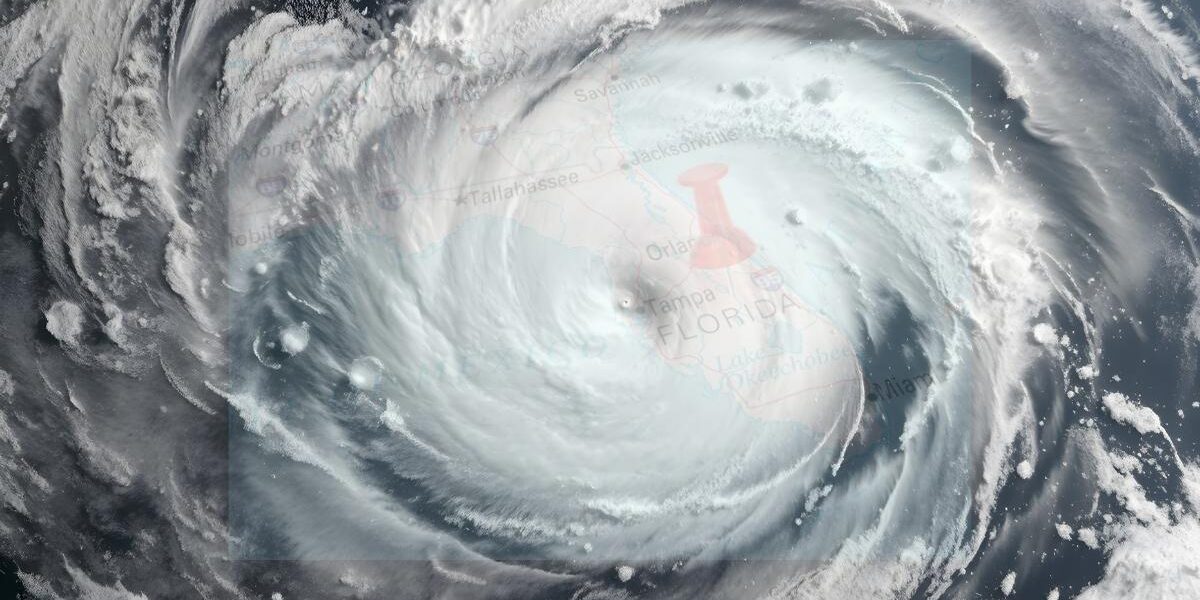
The 2026 hurricane season is expected to bring another active year for South Florida property owners and commercial building managers. With rising storm intensity, heavy rainfall, and hurricane-force winds becoming more common, preparing your commercial roof before storm season begins is critical.
Your roof is the first line of defense against severe weather. A small issue today can quickly become a major leak, structural problem, or insurance claim during a hurricane.
For commercial properties across Broward, Palm Beach, and Miami-Dade County, proactive roof inspections and preventative maintenance can help reduce damage, minimize disruptions, and protect long-term property value.
Why Commercial Roof Preparation Matters Before Hurricane Season
South Florida commercial roofs face unique challenges during hurricane season, including high wind uplift, ponding water, flying debris, and prolonged exposure to heavy rain.
Flat and low-slope commercial roofing systems are especially vulnerable if drainage systems, flashing, or roofing membranes are compromised.
Many major roof failures during hurricanes are caused by small pre-existing issues that were never addressed before the storm.
Common Commercial Roofing Problems During Hurricanes
High winds can lift roofing membranes, loosen flashing, and damage rooftop equipment.
Heavy rainfall can overwhelm clogged drains and gutters, causing ponding water and interior leaks.
Flying debris can puncture roofing systems and expose insulation to moisture.
Older roofs are particularly vulnerable if they no longer meet current Florida Building Code requirements.
Key Areas to Inspect Before the 2026 Hurricane Season
Roof Membranes and Seams
Inspect for cracks, open seams, punctures, blistering, or loose materials that could fail under high winds.
Flashing and Penetrations
Check all flashing around HVAC units, vents, skylights, and roof penetrations.
Drains and Gutters
Ensure all drainage systems are clear and functioning properly. Poor drainage can quickly lead to ponding water during tropical storms.
Rooftop Equipment
Secure HVAC systems, satellite equipment, signage, and other rooftop components that may become hazards during high winds.
The Importance of Preventative Roof Maintenance
Preventative maintenance is one of the most effective ways to reduce storm-related roof damage.
Routine inspections help identify small issues before they become major failures during a hurricane.
Maintenance programs also help extend roof lifespan, maintain warranty compliance, and improve long-term budgeting for property owners and facility managers.
Florida Building Code and Commercial Roofing
Commercial roofing systems in South Florida must meet strict wind uplift and attachment requirements under the Florida Building Code.
Buildings with older roofing systems may require upgrades or repairs to improve storm resistance.
Learn more about Florida roofing requirements at https://floridabuilding.org/.
Emergency Response Planning for Property Managers
Property managers should have a hurricane response plan in place before storms develop.
This should include:
Emergency roofing contacts
Post-storm inspection procedures
Documentation for insurance claims
Temporary dry-in planning if damage occurs
Quick response after a storm can help minimize interior damage and business disruption.
Schedule a Commercial Roof Inspection Before Hurricane Season
At Hi-Rise Roofing, we help South Florida property owners prepare their buildings for hurricane season with professional inspections, preventative maintenance, repairs, and commercial roof replacement services.
Our team understands the unique weather challenges facing commercial buildings across South Florida and provides roofing solutions built for long-term performance.
Learn more about our services at https://hi-riseroofing.com/.
Schedule a commercial roof inspection at https://hi-riseroofing.com/contact/.
Or call 954-792-5651 to speak with a commercial roofing expert.